
Partnerships & Investment
Strategic Private-Sector Partnerships
MOU signings, investor engagement, technology-transfer conversations and structured collaboration with private-sector actors.
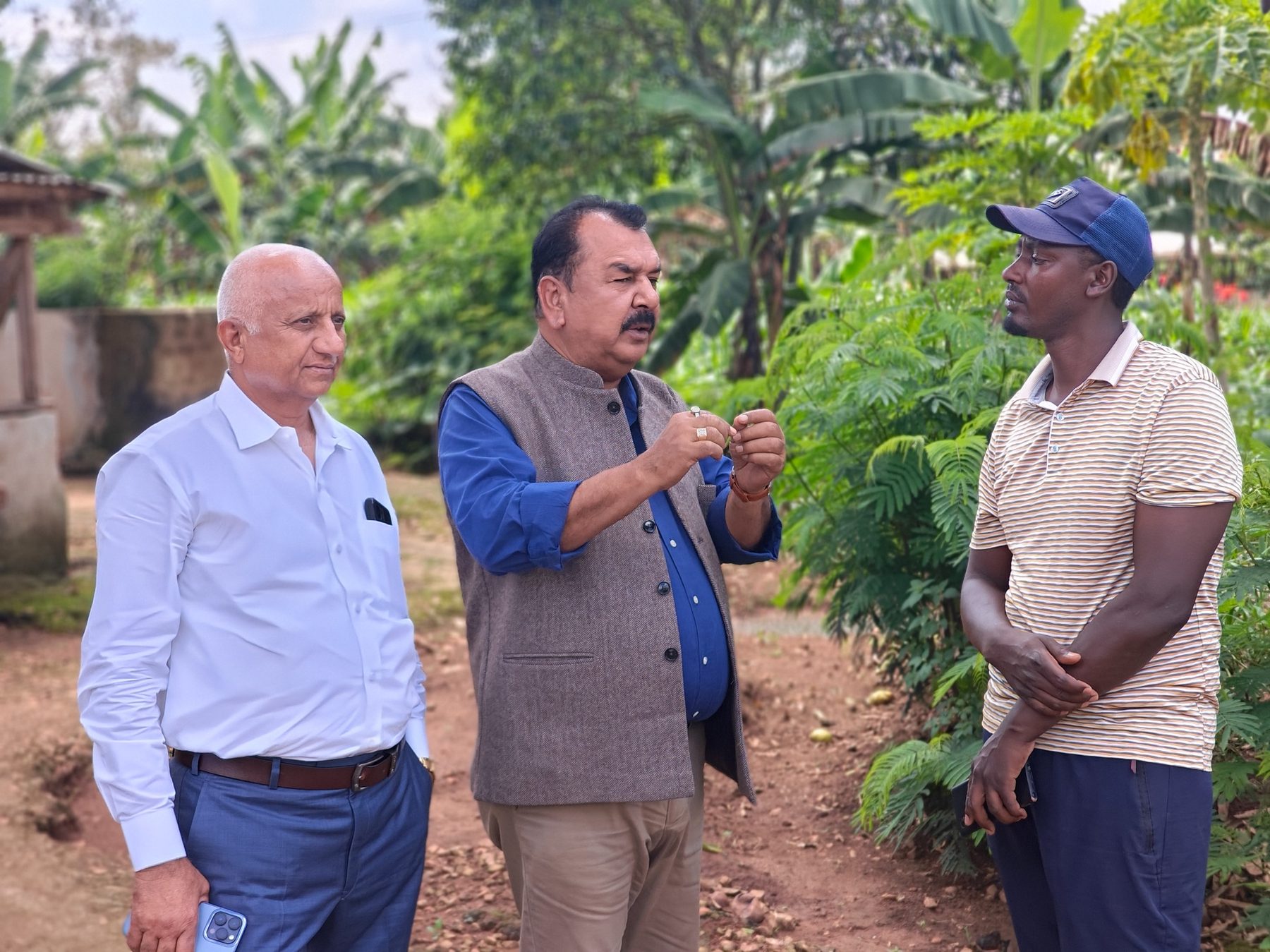


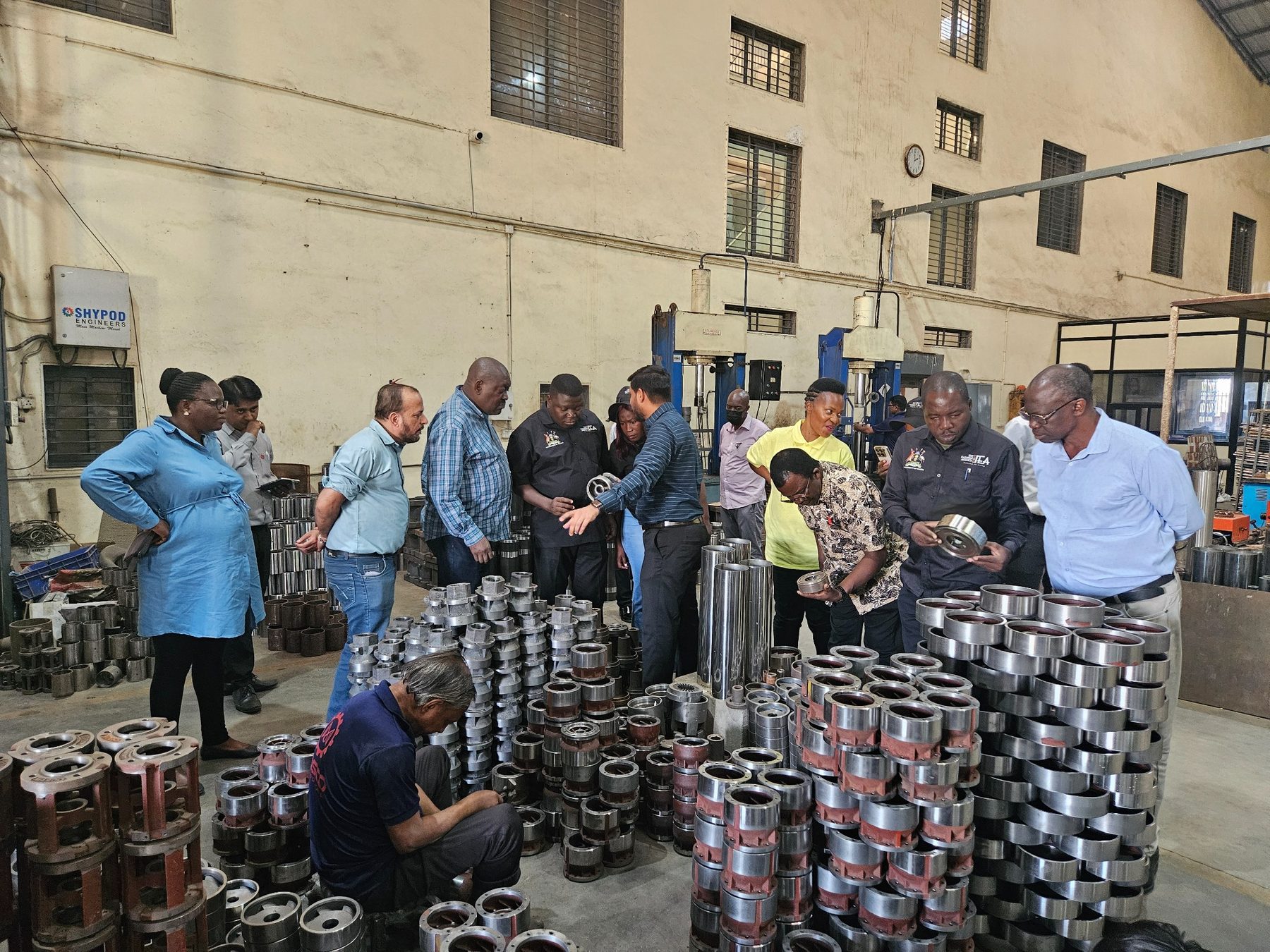


Transformative empowerment of communities in vulnerable regions through patriotism, mindset change and economic resilience.
TEA converts relationships, local trust, institutional coordination and private-sector opportunity into programmes that can be seen, measured and scaled.
TEA starts with people: children, youth, women, farmers, vulnerable households, entrepreneurs, community leaders and local institutions.
Our model values coordination with government, security, cultural institutions, local authorities, development partners and the private sector.
TEA organizes opportunities into credible programmes that funders, government officials, investors and implementation partners can understand and support.
Our central purpose is to empower communities through patriotism, mindset change and economic resilience, while aligning with national development priorities.
Transformative Empowerment of communities in Vulnerable Regions through Patriotism, Mindset Change, and Economic Resilience.”
The website uses beneficiary figures, sector alignment and programme coverage instead of photo-upload statistics.
These are not just photo categories. They are visible parts of the TEA story: relationships, field presence, programme development and institutional credibility.
MOU signings, investor engagement, technology-transfer conversations and structured collaboration with private-sector actors.
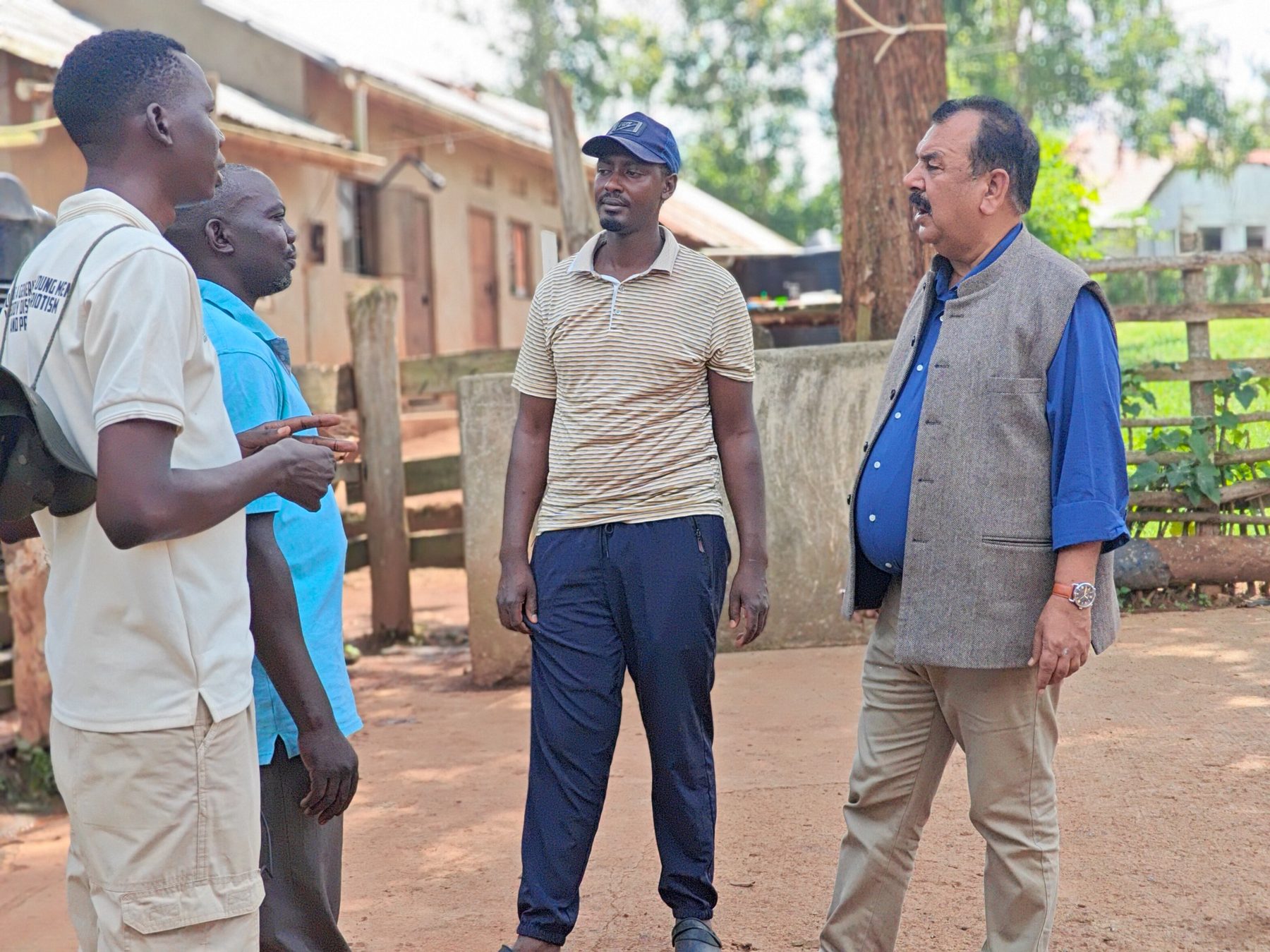
Farm visits, demonstrations and farmer-facing engagement for food security, value addition and household income growth.
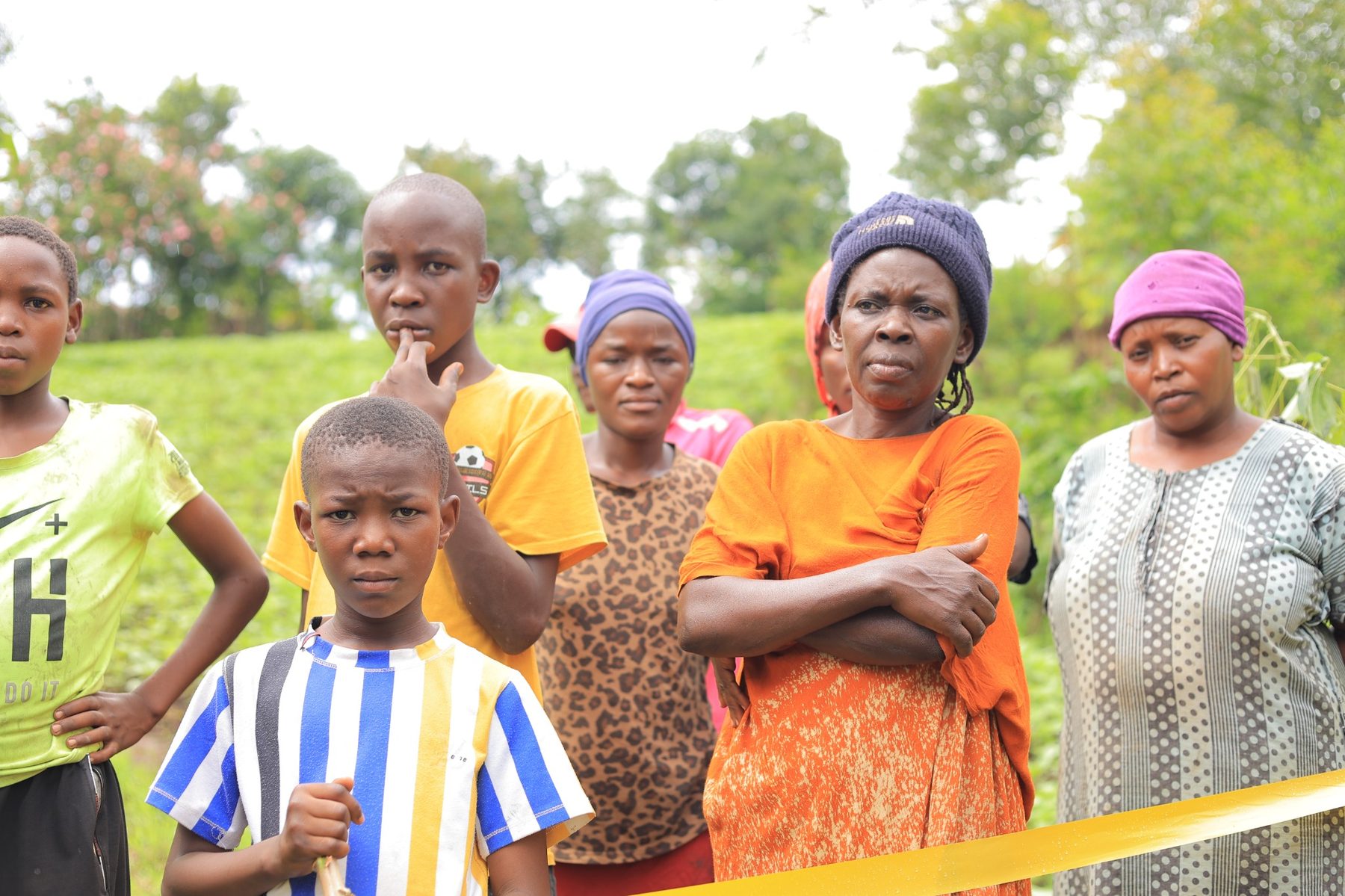
Well rehabilitation, sanitation improvement and community infrastructure that protects health and restores dignity.

Coordination with security and local government structures to support community peace, accountability and orderly implementation.

Engagement with cultural institutions to strengthen kingdom infrastructure, identity, patriotism and community cohesion.

Exploring three-wheeler technology, affordable transport, green mobility and local assembly opportunities for Uganda.

Studying responsible mineral-resource opportunities, industrial partnerships and local value-chain participation.

Engaging manufacturers of solar water pumps and productive-water systems for irrigation, WASH and community enterprise.
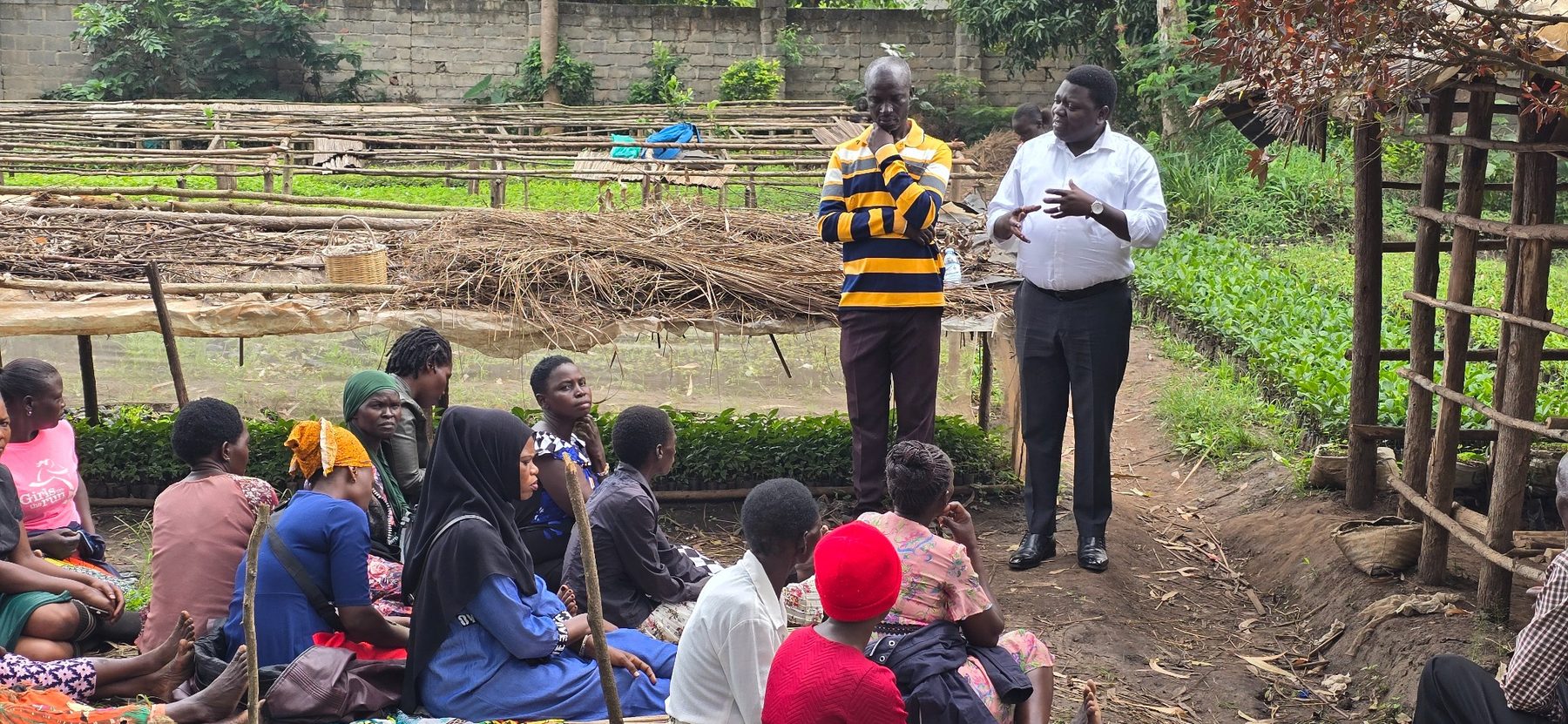
Tree nursery mobilisation, conservation education and climate-resilience actions rooted in community participation.
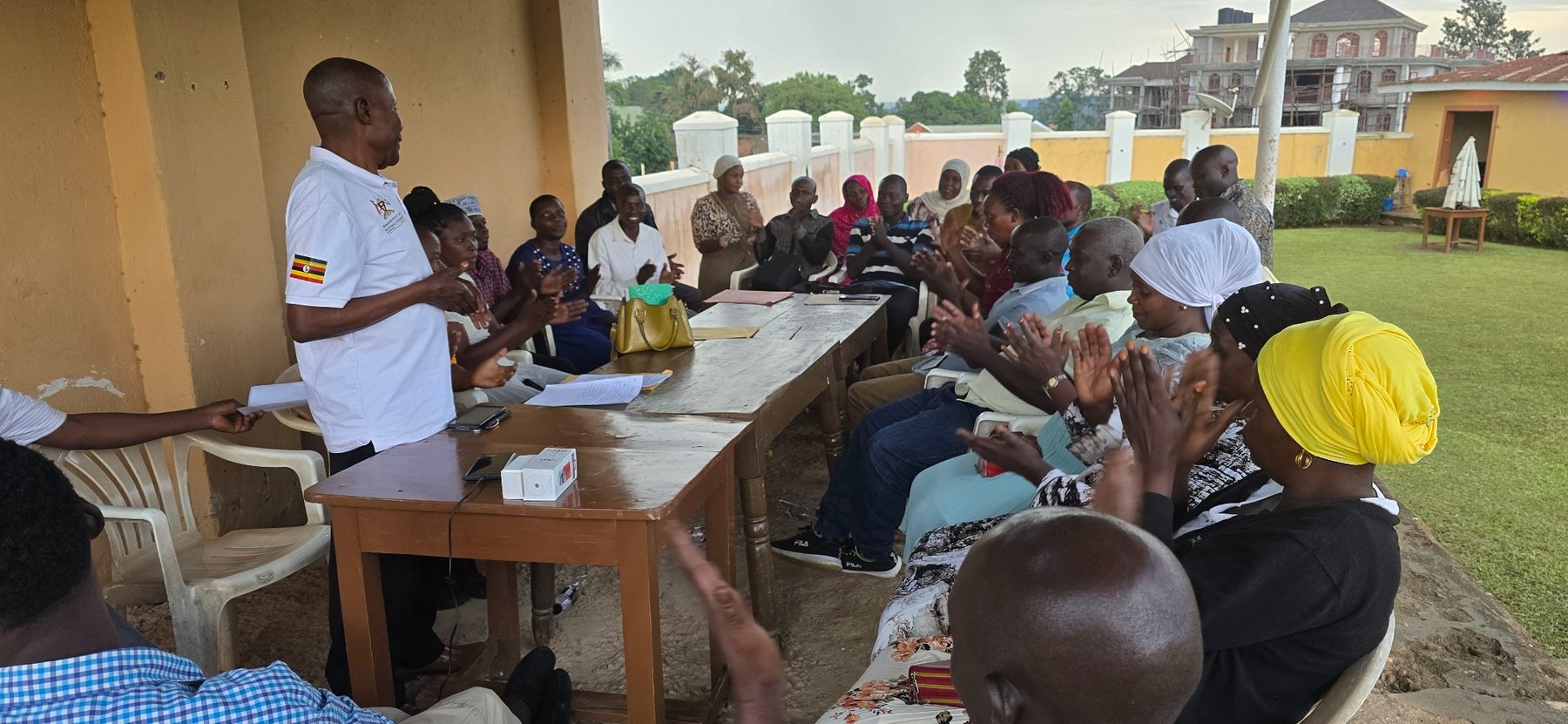
Organising savings structures, SACCO engagement and Social Development Fund pathways for practical social protection and enterprise growth.

Mobilising technical workers and artisans for WASH delivery, practical skills, employment and service-sector development.
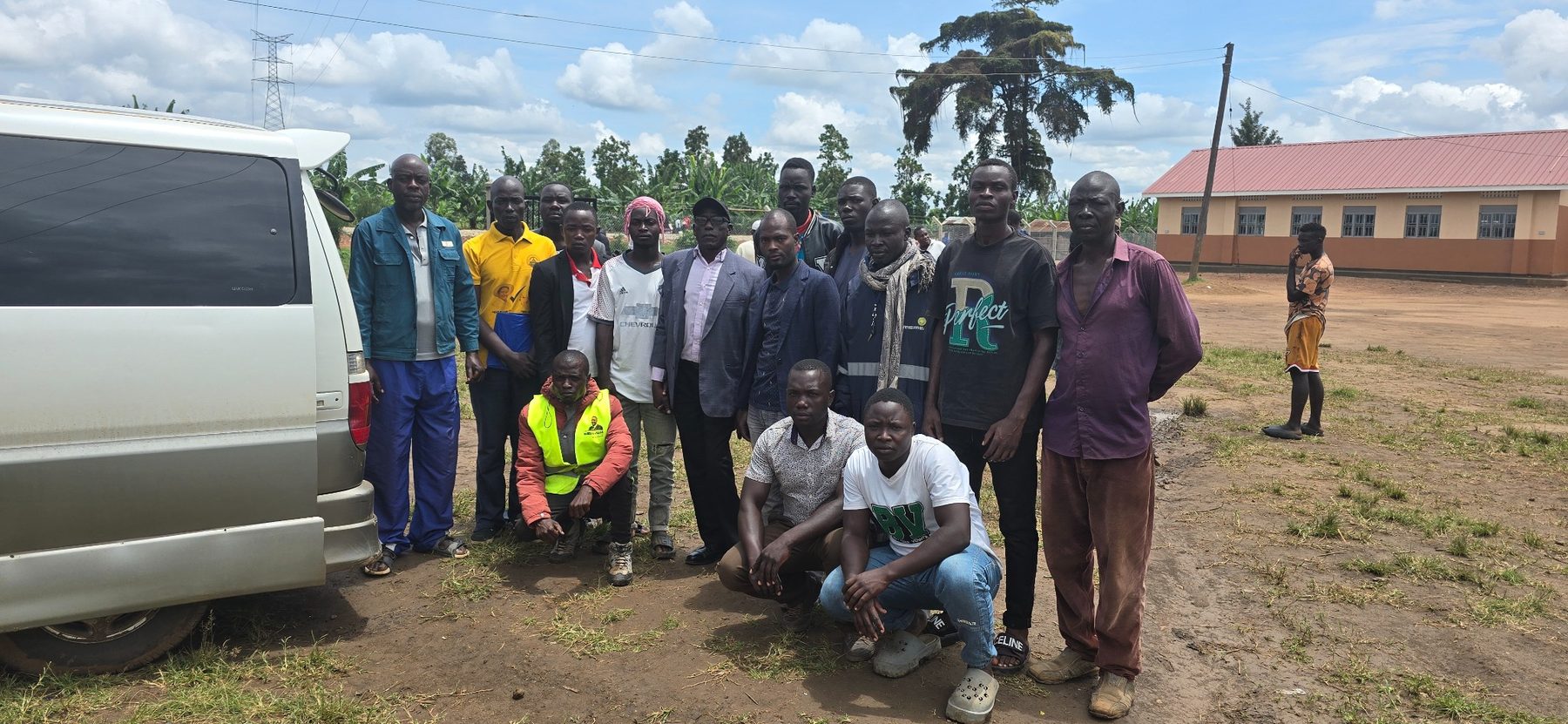
Working with riders and youth transport actors around safety, welfare, savings discipline, skills and organised livelihoods.
TEA’s programmes sit within the development logic of human capital, agro-industrialisation, private sector development, social development, environment, governance and public-sector coordination.
| Sector | Sub-sector alignment |
|---|---|
| Human Capital Development | Education, vocational and skills development, community health, maternal and child health, WASH, social protection and youth development. |
| Agro-Industrialisation | Climate-smart agriculture, food and nutrition security, farmer field schools, agro-processing, value addition, market linkages, cooperatives and producer group development. |
| Private Sector Development | MSME development, financial inclusion, VSLAs, SACCOs, youth and women entrepreneurship, innovation hubs, business skills and enterprise support. |
| Social Development | Community development, gender and equity, cultural preservation and promotion, mindset and behaviour change, peacebuilding and social cohesion. |
| Environment and Natural Resources | Environmental conservation, climate change adaptation and mitigation, tree planting, forestry, sustainable resource management and environmental education. |
| Governance and Security | Institutional governance, civic engagement and patriotism, community peace structures, accountability, transparency and partnerships with local authorities. |
| Public Sector Management | Institutional capacity building, planning and coordination, monitoring and evaluation, policy alignment and public-private-community partnerships. |
Support community transformation through donations, implementation partnerships, investment, technical assistance and institutional collaboration.